
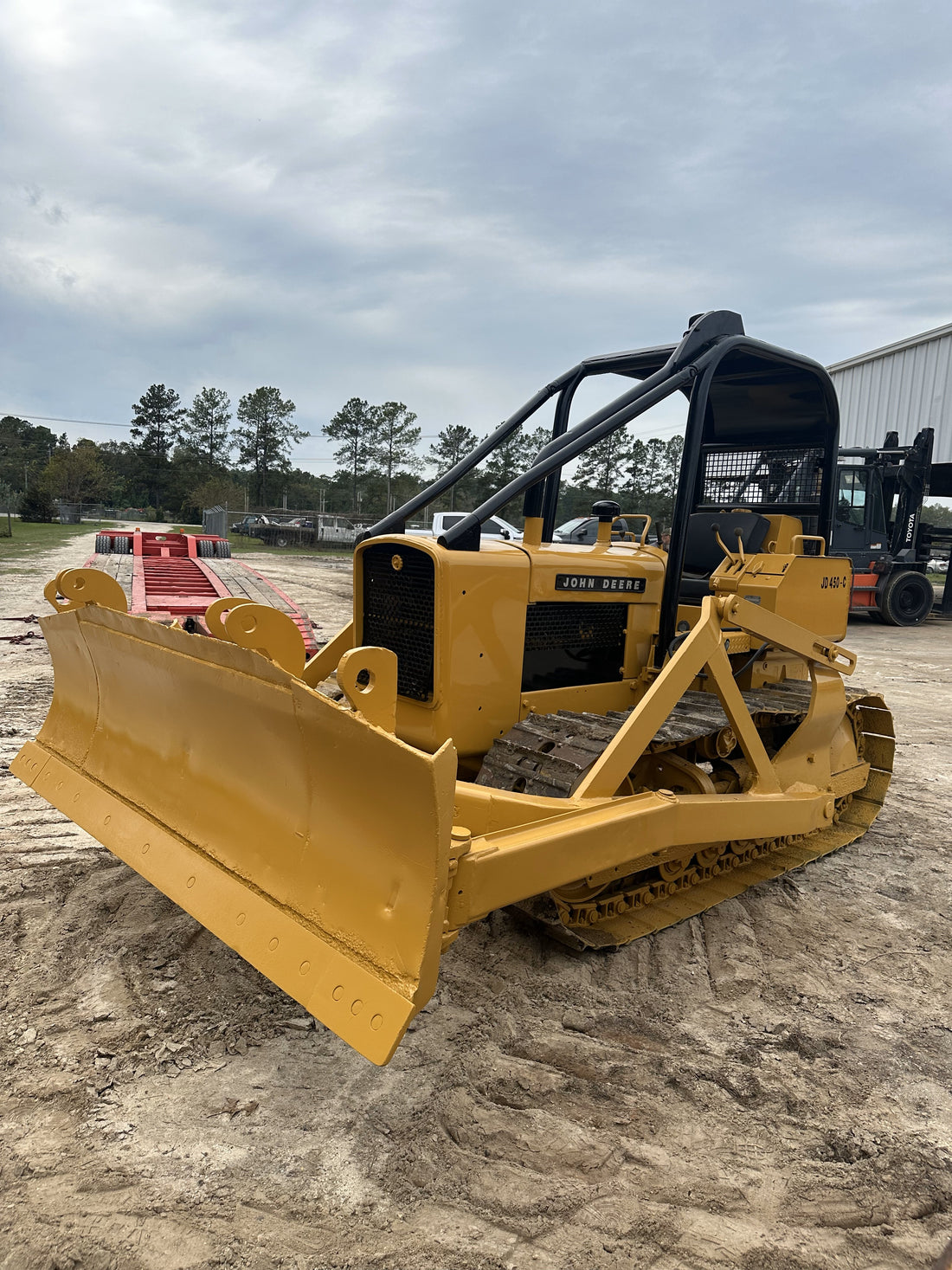
The Pros and Cons of Buying Refurbished Heavy Equipment
Share
In the world of construction and industrial operations, heavy equipment plays a crucial role in getting the job done efficiently and effectively. However, purchasing brand-new machinery can be a significant investment, which is why many companies consider buying refurbished heavy equipment. While this option can offer substantial savings, it also comes with its own set of advantages and potential drawbacks. In this blog post, we'll explore both sides to help you make an informed decision.
Pros of Buying Refurbished Heavy Equipment
Cost Savings
One of the most significant advantages of buying refurbished heavy equipment is the cost savings. Refurbished machinery is typically much less expensive than new equipment, allowing businesses to allocate funds to other essential areas such as labor, maintenance, or additional tools. This can be particularly beneficial for small to medium-sized companies or those operating on tight budgets.
Immediate Availability
New equipment often requires a waiting period for manufacturing and delivery. In contrast, refurbished equipment is usually ready for immediate purchase and use. This can be a critical factor for projects with tight timelines where immediate deployment is necessary to meet deadlines.
Tested and Proven Performance
Refurbished equipment has been tested and proven in the field, which can offer reassurance regarding its performance and reliability. Most reputable dealers will conduct thorough inspections and repairs to ensure the machinery meets industry standards before resale. This process can sometimes result in equipment that performs as well as a new model.
Environmental Benefits
Opting for refurbished heavy equipment is also an environmentally friendly choice. By purchasing used machinery, you are contributing to the reduction of waste and the conservation of resources that would otherwise be required to manufacture new equipment. This sustainable approach can enhance your company's reputation as an environmentally-conscious business.
Cons of Buying Refurbished Heavy Equipment
Limited Warranty
One of the main drawbacks of refurbished equipment is the limited or non-existent warranty compared to new machinery. While many dealers offer some level of warranty, it's often shorter and less comprehensive than what you'd receive with a new purchase. This means you may be responsible for repairs or replacements sooner than expected.
Potential for Hidden Issues
Even with thorough refurbishment, there's always a risk of hidden issues arising with used equipment. Wear and tear from previous use can lead to unexpected breakdowns or performance issues. It's crucial to conduct a detailed inspection and, if possible, obtain a maintenance history before purchasing.
Shorter Lifespan
Refurbished equipment typically has a shorter remaining lifespan compared to new machinery. This can lead to more frequent replacements and potentially higher long-term costs. It's essential to weigh the initial savings against the expected longevity of the equipment to ensure it aligns with your operational needs.
Limited Customization Options
When purchasing new equipment, you often have the option to customize features to suit your specific needs. With refurbished machinery, customization options are usually limited to the existing features, which may not fully meet your requirements.
Conclusion
Buying refurbished heavy equipment can be a smart and cost-effective choice for many businesses, offering immediate availability and environmental benefits. However, it's essential to carefully consider the potential drawbacks, such as limited warranties and potential for hidden issues. By conducting thorough research and inspections, and weighing the pros and cons, you can make an informed decision that best supports your operational goals and financial considerations.